



In a busy production environment, labeling may seem like a small step, but it can have a direct impact on the overall packaging process. When products need to be labeled one after another, manual application can slow down production and make it difficult to maintain consistent results.
This is particularly noticeable when manufacturers handle large quantities of flat products, such as cartons, boxes, panels, and other items with flat surfaces. Labels need to be applied in the correct position, with a neat appearance and consistent placement across every unit.
An Automatic Flat Labeling Machine helps address these challenges by automating the label application process. Instead of relying entirely on manual work, manufacturers can use an automated system to improve labeling consistency, reduce repetitive handling, and support a more organized production workflow. But what makes this equipment valuable, and what should businesses consider when choosing a suitable flat surface labeling solution?
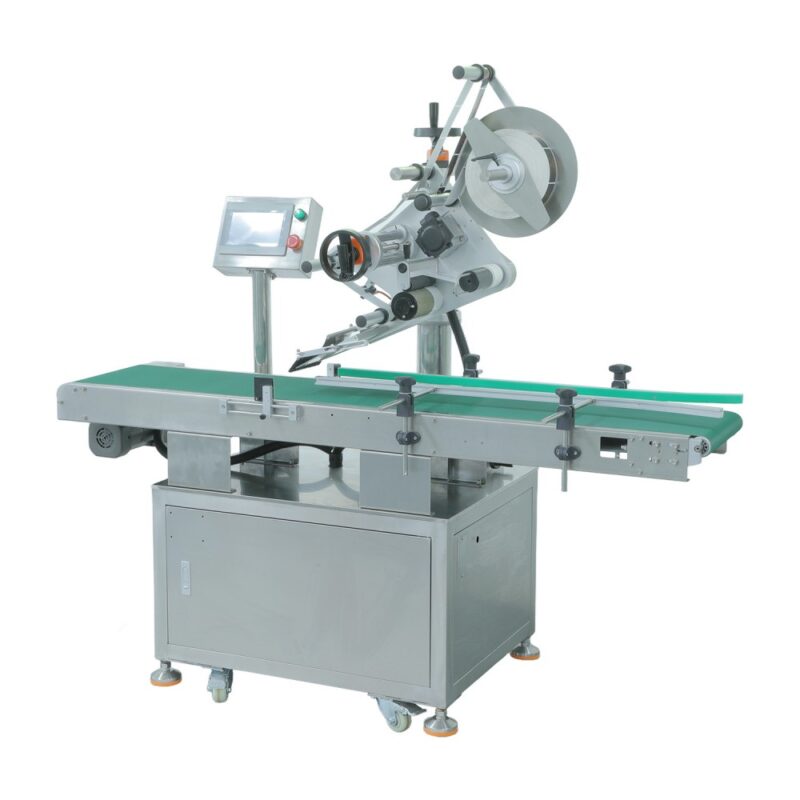
1. Consistent Label Placement Across Production Runs
One of the main challenges of manual labeling is maintaining consistency. Even when operators follow the same procedure, differences in positioning, pressure, and handling can result in labels being applied unevenly.
For products that require a clean and professional appearance, these small differences can become noticeable, especially when large batches are involved.
A Flat Surface Labeling Machine automates the application process, helping maintain more consistent label positioning across products. This is useful for manufacturers that need to apply product information, branding labels, barcodes, or identification labels to flat surfaces. Consistent application also makes the finished products look more uniform, which is important for packaging quality and product presentation.
2. Reduce Manual Work and Repetitive Operations
Manual labeling requires operators to repeatedly pick up products, position labels, and check the application results. As production volumes increase, these repetitive tasks can consume considerable working time.
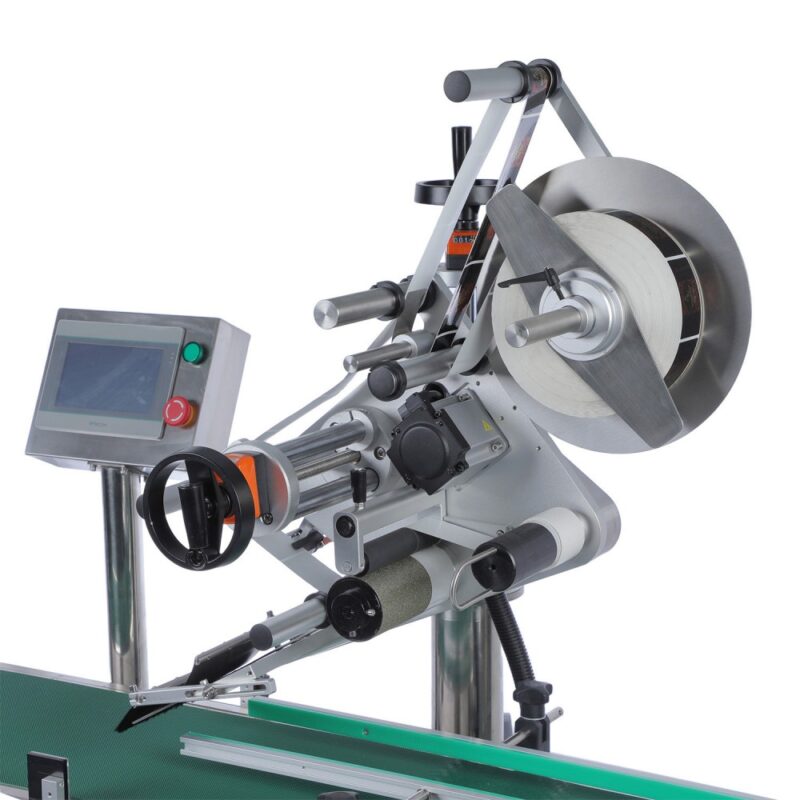
An Automatic Labeling Machine reduces the need for manual label placement by handling the application process through an automated workflow.
For manufacturers, this means employees can spend less time on repetitive labeling tasks and focus on other production or quality control activities.
The actual improvement in output depends on product dimensions, labeling requirements, machine configuration, and production conditions. However, automating repetitive operations can make the packaging process easier to manage, particularly in facilities handling regular batches of flat products.
3. Handle Different Types of Flat Products
Not every manufacturing business labels the same type of product. Some work with packaging boxes, while others handle flat components, panels, containers, or products with different surface dimensions.
This is why adaptability matters when selecting a Flat Product Labeling Machine.
A suitable labeling solution should be evaluated according to the products being processed, including their dimensions, surface characteristics, and labeling positions.
For businesses handling multiple product types, flexibility can be particularly valuable. It allows the labeling process to accommodate different production requirements without relying on a completely manual approach for every product.
Before purchasing equipment, manufacturers should discuss their actual product samples and labeling requirements with the machine supplier. This helps determine whether the proposed configuration is suitable for the intended applications.
4. Improve the Efficiency of Packaging and Manufacturing Lines
Labeling is rarely an isolated operation. In many factories, it forms part of a larger process that may include product feeding, packaging, denetleme, and sorting.
When labeling is performed manually, the process can become a bottleneck between production stages. Products may need to wait for operators to complete labeling before moving forward.
An Automatic Flat Labeling Machine can help streamline this stage by making label application part of a more organized production workflow.
For businesses looking to improve automation, integration with existing equipment is also worth considering. The machine should be evaluated in relation to product movement, available floor space, upstream and downstream processes, and the required production capacity.
A well-planned labeling setup can reduce unnecessary handling and help maintain a smoother flow of products through the packaging line.
5. What Should You Consider When Choosing an Industrial Labeling Machine?
Selecting an Industrial Labeling Machine involves more than comparing equipment prices. The machine needs to match the products, labels, and operating conditions of the actual production environment.
Here are several factors worth evaluating before making a purchasing decision.
Product Dimensions and Surface Type
Start with the size and shape of the products. Flat labeling equipment is designed for flat surfaces, but the dimensions and material of each product can influence the required machine configuration.
Label Specifications
Label size, material, adhesive characteristics, and application position should all be considered. These details help determine whether the machine is suitable for the labels used in daily production.
Production Requirements
Consider the number of products that need to be labeled per shift and how the labeling process fits into the existing workflow. This provides a more realistic basis for evaluating machine capacity.
Automation and Line Integration
If the equipment will operate alongside other packaging machinery, check how products will enter and leave the labeling station. Compatibility with the existing production layout can affect both installation and daily operation.
Future Production Needs
Manufacturing requirements may change as product ranges expand or output increases. Choosing equipment with suitable adjustment and configuration options can help businesses avoid unnecessary limitations later.
6. A Practical Labeling Solution for Growing Businesses
As production requirements become more demanding, manufacturers need labeling equipment that can deliver consistent results without adding unnecessary complexity to daily operations.
Mystech Woods offers automatic flat labeling solutions for businesses looking to improve labeling efficiency in packaging, logistics, and manufacturing applications.
Rather than selecting equipment based on general specifications alone, buyers should consider the products they handle, the labels they use, and the way labeling fits into their existing production process.
A properly selected Automatic Flat Labeling Machine can help reduce repetitive manual operations, improve label placement consistency, and support a more efficient packaging workflow.
Looking for an automatic flat labeling solution for your production line? Contact Mystech Woods with your product dimensions, label specifications, and production requirements to discuss a suitable machine configuration.