


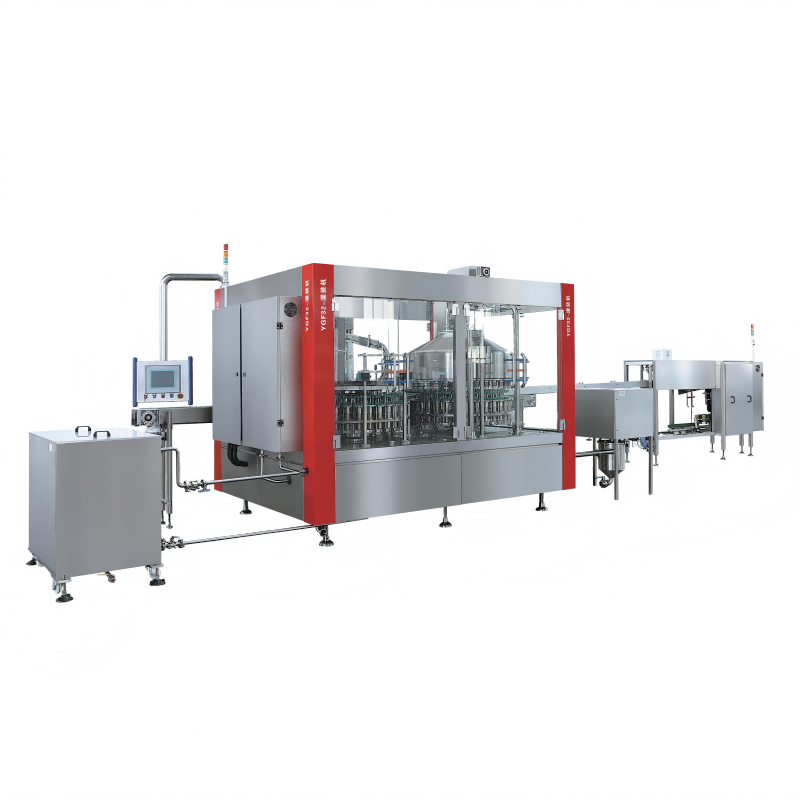
Choosing a bottle filling machine is an important decision for manufacturers. Speed is often the first thing people look at when comparing machines. However, speed alone does not determine whether a machine is suitable for a production line.
Filling accuracy, bottle compatibility, production capacity, and ease of maintenance also matter. A machine should fit the product and the way a factory actually works. This can help manufacturers avoid unnecessary changes after installation.
💧 Start With the Product and Bottle
Before comparing machine specifications, manufacturers should look at the product first. Its viscosity and filling volume can affect the type of filling system required.
The bottle is just as important. Bottles can vary in height, diameter, shape, and material. A machine needs to handle these differences without causing problems during production.
Companies with several products should pay particular attention to flexibility. A machine that works with one bottle size may not be suitable for a growing product range.
For this reason, manufacturers should provide accurate bottle dimensions to the supplier. Bottle samples are even better when they are available.
⚙️ How Important Is Filling Accuracy?
Filling accuracy has a direct effect on product quality and material costs. Small differences can become significant when thousands of bottles are produced every day.
An Automatic Filling Machine can provide more consistent filling than manual operation. Once the correct settings are applied, the machine can repeat the same filling process throughout production.
Easy adjustment is also useful. Manufacturers may need to change filling volumes or bottle sizes from time to time. Simple adjustments can reduce production downtime.
The filling system should also suit the product. Different liquids may require different filling methods. This is something manufacturers should discuss with the supplier before choosing the machine.
🔄 What Are the Advantages of a Rotary Filling Machine?
A rotary filling machine moves bottles through the filling process in a continuous sequence. Several bottles can be handled during the same operating cycle.
This design can work well for medium and high-volume production. It can also make better use of available production space.
A Rotary Filling Sealing Machine can combine filling and sealing in one system. This reduces the need to move bottles between separate machines.
The result is a more organized production process. It can also reduce manual handling on the production floor.
Still, manufacturers should choose speed based on their actual needs. A very fast machine will not improve overall output if the rest of the line cannot keep up.

🧴 Check Bottle Compatibility Carefully
Bottle compatibility should be confirmed before purchasing equipment. Manufacturers should provide detailed information about the bottles they plan to use.
Important details include bottle height, diameter, opening size, and shape. The material of the bottle may also affect machine operation.
A suitable filling machine should hold bottles securely during production. Poor positioning can affect filling accuracy and create unnecessary stoppages.
Flexibility can also be valuable for companies planning new products. A machine with suitable adjustment options can handle more than one bottle specification.
This can give manufacturers more freedom when expanding their product range.
📦 Filling and Sealing Should Work Together
Filling is only one part of the bottle packaging process. The bottle also needs to be sealed correctly after filling.
Poor sealing can cause leakage or damage during transportation. It can also affect the appearance of the finished product.
For this reason, many manufacturers choose integrated Bottle Filling and Sealing Equipment. Filling and sealing can be completed within the same production system.
An Automatic Rotary Filling & Sealing Machine combines these two operations. This can reduce manual handling and keep the packaging process moving smoothly.
The sealing method still needs to match the bottle and closure. Manufacturers should discuss these details with the supplier before finalizing the machine.
🤖 How Much Automation Does Your Factory Need?
Automation can reduce repetitive work on the production floor. It can also make the filling process more consistent.
For medium and large-scale production, automation can reduce the amount of manual work required. Operators can focus on monitoring the machine and checking product quality.
The control system should be easy to understand. Operators need to adjust settings and monitor production without unnecessary difficulty.
Maintenance is another part of the automation discussion. Easy access to important components can make routine maintenance much simpler.
A practical automated system should save time rather than create additional work for operators.
🛠️ Don’t Overlook Maintenance
Maintenance should be considered before buying a filling machine. The machine may run for many hours each day, so regular maintenance is part of normal operation.
Important components should be easy to access. Cleaning and adjustment should not require complicated procedures.
Machine construction also matters. A stable structure can help the equipment handle continuous production.
Manufacturers should also ask about spare parts. It is useful to know how easily common replacement parts can be obtained.
Technical support is another point worth discussing. A reliable Automatic Filling Machine Supplier should be able to provide assistance when problems occur.
📊 Choose the Right Production Capacity
Production capacity should match the needs of the factory. Choosing the fastest machine is not always the best solution.
Manufacturers should consider filling volume, bottle size, working hours, and product characteristics. The speed of other machines on the production line should also be considered.
For example, a filling machine may be able to produce more bottles than the labeling or packing equipment can handle. In that case, the extra speed does not increase total production.
A better approach is to choose equipment that fits the complete production line. Some additional capacity can also be useful if production is expected to grow.
🔍 What Information Should You Give the Supplier?
The supplier needs accurate information to recommend the right machine. Manufacturers should provide details about the product and packaging.
Useful information includes:
- Product type
- Filling volume
- Bottle dimensions
- Bottle material
- Required production capacity
- Closure type
- Number of bottle sizes
- Special packaging requirements
Bottle samples can make the evaluation easier. They allow the supplier to understand the actual shape and dimensions.
Manufacturers should also mention future plans. New bottle sizes or higher production targets may affect the machine configuration.
Clear information at the beginning can help reduce problems during installation and commissioning.
🏭 Mystech Woods Automatic Filling and Sealing Solutions
Mystech Woods provides automated filling and sealing equipment for plastic bottle packaging. Its Automatic Rotary Filling & Sealing Machine combines filling and sealing in one rotary system.
The equipment is designed for manufacturers that need stable production and consistent filling performance. It can support different bottle sizes and filling volumes based on specific production requirements.
The rotary design helps organize the filling and sealing process. It can also reduce manual handling between different packaging stages.
For medium and large-scale production, an integrated system can make daily operation more convenient. It can also help reduce repetitive work for production staff.
Mystech Woods works with manufacturers to understand their products, bottles, and production targets. This allows the equipment configuration to be matched with the actual application.
For companies looking for an Automatic Filling Machine Supplier, this approach can be useful when standard equipment does not fully meet their production needs.
✅ Final Thoughts
Choosing the right bottle filling machine requires more than comparing production speeds. Manufacturers should look at the complete packaging process.
Filling accuracy, bottle compatibility, sealing performance, automation, and maintenance all affect daily production. Production capacity should also match the rest of the packaging line.
For medium and high-volume production, a rotary system can be a practical option. Combining filling and sealing in one machine can reduce manual handling and simplify the workflow.
Most importantly, manufacturers should choose equipment based on their actual products and production requirements. Discussing these details with an experienced supplier can make the selection process much easier.
The right machine should work reliably on the factory floor. It should also provide enough flexibility for the manufacturer’s future production needs.