


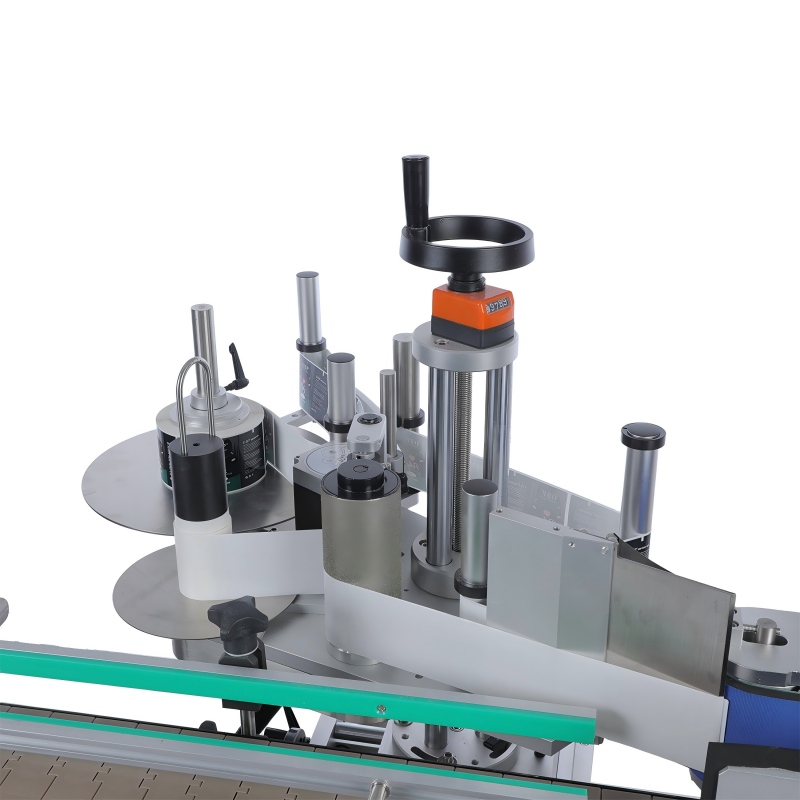
A label may seem like a small part of a bottle, but it can make a noticeable difference to the finished product. When labels are crooked, wrinkled, or placed at different heights, even well-designed packaging can look unprofessional. For manufacturers handling hundreds or thousands of bottles a day, keeping every label consistent by hand can quickly become a challenge.
This is one reason more manufacturers are considering an automatic round bottle labeling machine for their packaging lines. Designed for cylindrical bottles and round containers, this equipment helps simplify the labeling process and maintain a more consistent finish.
Still, choosing a machine is not just about finding one that applies labels automatically. Bottle dimensions, label materials, production speed, and maintenance requirements all deserve attention before making a purchasing decision.
1. Start with the Quality of the Finished Label
The first thing to check is how the machine handles the bottle and applies the label. A fast labeling process is of little value if labels end up misaligned or develop wrinkles during application.
An automatic bottle-rolling labeling machine uses a rolling mechanism to apply labels around cylindrical containers. As the bottle moves through the labeling area, the rolling action helps the label adhere smoothly to the surface.
For manufacturers, the goal is simple: bottles coming off the line should have a consistent appearance without requiring frequent manual correction.
When comparing machines, look at how accurately labels are positioned, whether the label edges remain neat, and how consistently the machine performs during continuous operation. It is also worth testing the equipment with your own bottles, since the actual result can vary depending on the container shape, surface, and label material.

2. Choose a Speed That Matches Your Production Needs
A labeling machine should fit the pace of the production line, not create another bottleneck.
For a small manufacturer, a moderate labeling speed may be sufficient. A factory running several shifts or handling larger orders, however, may need equipment that can maintain a steady output with fewer interruptions.
An automatic bottle labeling machine can reduce the repetitive work involved in manual labeling. Features such as automatic feeding, bottle positioning, and touchscreen controls can also make daily operation more manageable.
One point worth remembering is that the maximum speed listed in a product specification does not always reflect actual production output. Bottle loading, label replacement, product changeovers, and operator adjustments can all affect performance.
Before placing an order, discuss your target output with the supplier and ask how the machine performs with the bottle sizes you use most often. This gives you a more realistic basis for comparing different models.

3. Make Sure It Works with Your Bottles and Labels
Bottle compatibility is easy to overlook when comparing equipment online. Two containers may both be round, yet differences in diameter, height, and surface material can affect the labeling process.
A suitable round bottle labeling machine should accommodate the dimensions of your containers within its specified operating range. If your business produces several product lines, adjustment flexibility becomes even more important.
The labels themselves also need attention. Paper labels and film labels can behave differently during application, particularly when their thickness, flexibility, or adhesive properties vary.
Before choosing a machine, prepare a few basic details:
- Bottle diameter, height, and material
- Label dimensions and material
- Whether the label covers part or all of the bottle circumference
- Expected production volume
- How often you switch between different products
These details help the supplier determine whether a standard configuration is suitable or whether adjustments may be needed. Whenever possible, provide actual bottle and label samples for a practical compatibility check.
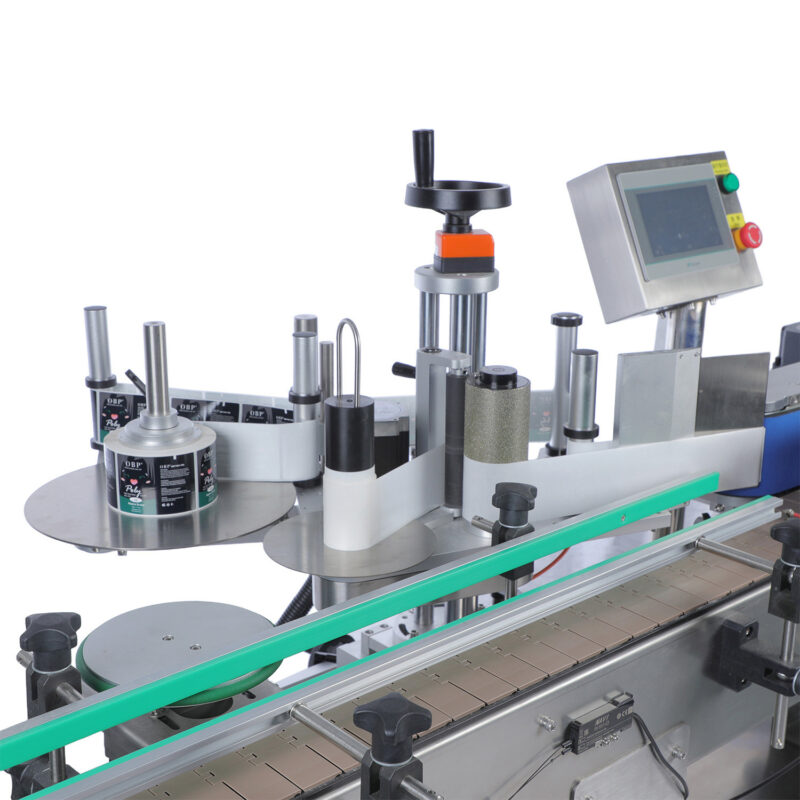
4. Pay Attention to Bottle Feeding and Positioning
Labeling accuracy depends on more than the labeling mechanism itself. Bottles must also enter the working area in a stable and consistent way.
If containers are poorly positioned or move unpredictably, operators may need to intervene more often, slowing down the line. An automatic bottle-rolling labeling machine with a suitable feeding system and positioning mechanism can help keep the process organized and reduce unnecessary handling.
It is worth looking at the complete workflow, from the moment an empty bottle enters the machine to the point where the labeled bottle exits. Consider whether the feeding arrangement suits your factory layout and whether the equipment can work alongside your existing filling and packaging machinery.
For manufacturers planning to expand production, this is particularly relevant. A machine that fits the current workflow and allows for practical integration can be more useful in the long run than one selected on price alone.
5. Consider Durability and Day-to-Day Maintenance
In a busy factory, equipment needs to do more than perform well during the first few production runs. It should also be practical to operate, inspect, and maintain over time.
The automatic bottle labeling machine described for this application uses stainless steel and aluminum alloy construction. These materials can offer durability and corrosion resistance, although the suitability of the overall machine still depends on its design and operating environment.
Maintenance is another factor buyers should not ignore. If routine inspection is difficult or replacement parts are hard to obtain, even a relatively minor issue can interrupt production.
Before purchasing, ask about access to key components, routine maintenance procedures, spare parts availability, and technical support. These questions may not seem as exciting as labeling speed, but they matter when the machine becomes part of everyday production.
6. Think About Your Industry and Packaging Requirements
The right machine also depends on what you manufacture. Pharmaceutical containers, cosmetic bottles, beverage packaging, and household product bottles may all require round-bottle labeling, but their production conditions and presentation requirements can differ.
For example, cosmetic brands often pay close attention to label alignment because packaging appearance influences how a product is perceived. Food and beverage manufacturers may focus more on consistent output across large batches. Chemical product manufacturers need to consider the suitability of the bottle and label materials for their particular application.
An automatic cylindrical bottle labeling machine can serve these industries when the container dimensions, label specifications, and operating requirements fall within the machine’s capabilities. Rather than assuming one machine will suit every product, buyers should discuss their actual applications with the supplier and confirm compatibility before ordering.

7. Look Beyond the Initial Purchase Price
Machine price is naturally part of any purchasing decision, but it should not be the only consideration. A lower-priced machine may be less attractive if it requires frequent adjustments, cannot handle planned product changes, or does not meet the required output.
When comparing suppliers, review the technical specifications alongside installation requirements, operating instructions, maintenance needs, and after-sales support. It is also useful to clarify which bottle sizes and label types have been tested.
For businesses evaluating labeling equipment from Mystech Woods, preparing clear production requirements is a practical first step. Sharing bottle samples, label specifications, and target output can make discussions more productive and help establish whether the equipment is suitable for the intended application.
Final Thoughts
Choosing an automatic round bottle labeling machine comes down to finding equipment that works reliably with your actual products and production process. Labeling quality, machine speed, bottle compatibility, feeding stability, and maintenance all deserve attention before you make a decision.
A machine that looks impressive on a specification sheet may not be the best fit for every factory. Taking the time to check your bottle dimensions, test label application, and discuss production requirements with the supplier can help you avoid unnecessary adjustments later.
For manufacturers looking to reduce manual labeling work and achieve a more consistent packaging finish, the right automatic bottle-rolling labeling machine can be a worthwhile investment. With the requirements clearly defined, Mystech Woods can be part of the supplier evaluation process as you work toward a labeling solution suited to your production needs.