


For manufacturers and packaging companies, shrink wrapping is often used to protect products, improve presentation, and prepare goods for storage, handling, and distribution. However, packaging quality can become inconsistent when operators rely heavily on manual film cutting, Versiegelung, and product handling.
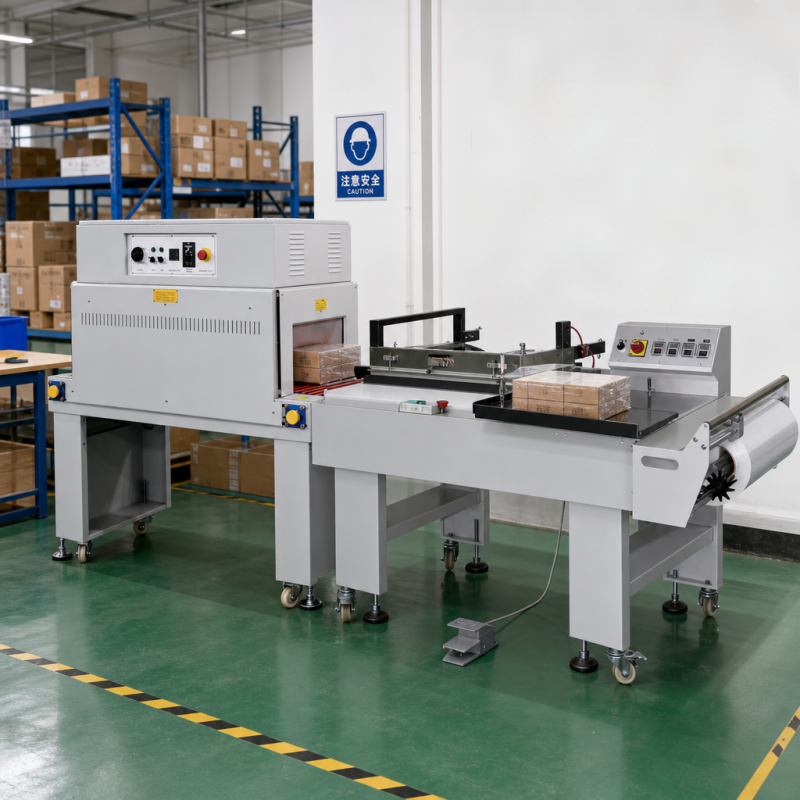
A Semi-Automatic Shrink Wrapping Machine can help address these challenges without requiring a fully automated packaging line. By combining controlled film sealing with a shrink tunnel, the machine provides a more consistent way to package products in medium-volume production environments.
The value of this equipment is not limited to appearance. It can also help manufacturers improve sealing quality, reduce unnecessary manual work, support different product sizes, and create a more organized packaging process.
1. Inconsistent Sealing Quality
One common problem with manual shrink wrapping is inconsistent sealing. Operators may apply different levels of pressure, use different sealing times, or position the film unevenly. These variations can result in weak seals, open edges, or packaging that does not look uniform.
A Semi-Automatic L-Bar Sealing Machine provides a more controlled sealing process. The L-shaped sealing bar helps create a defined seal around the product, while the pneumatic system supports stable machine operation.
Consistent sealing is particularly important when products need to remain protected during storage or transportation. A reliable seal can help keep the shrink film closed and provide a more professional finished package.

2. Excessive Dependence on Manual Packaging
Manual packaging requires operators to cut film, position the product, complete the seal, and prepare the package for shrinking. When production volume increases, these repeated tasks can consume significant time and create differences between operators.
A semi-automatic shrink wrapping machine reduces some of this manual workload by introducing a structured sealing process. Operators still need to place products and manage certain steps, but the machine performs the sealing operation in a more repeatable way.
This makes the equipment suitable for manufacturers that need better packaging efficiency but do not yet require a fully automatic production line.
3. Poor Packaging Appearance
Packaging appearance can influence how customers and distributors view a product. Loose film, uneven edges, open corners, and irregular wrapping can make finished goods look less professional.
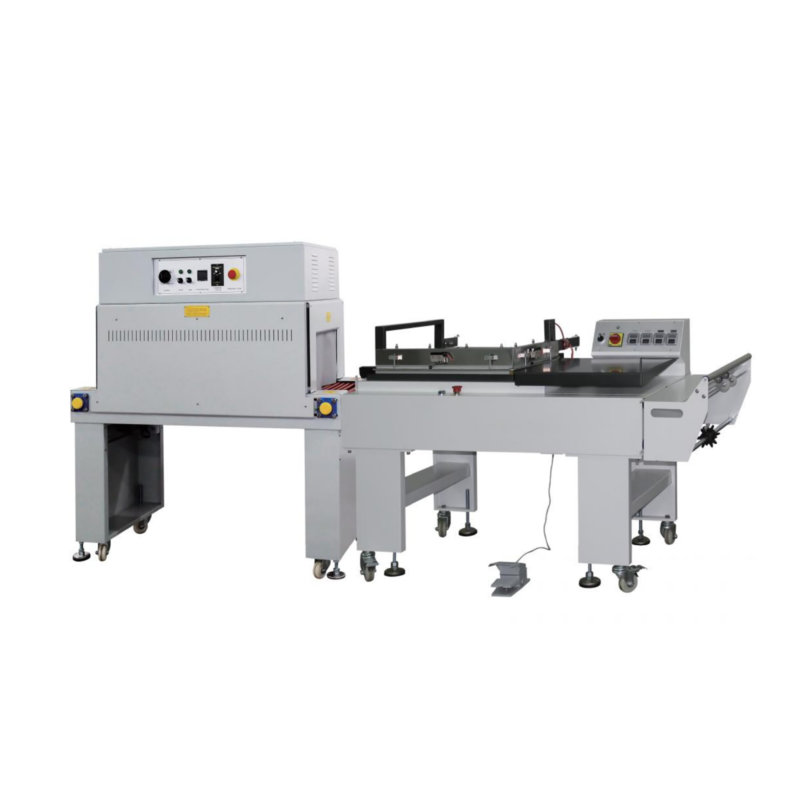
The YS-SL-6045B from Mystech Woods is designed for shrink film packaging applications. Its sealing system works together with a shrink tunnel to create tight and secure packaging around the product.
The sealing process prepares the film before it enters the shrink tunnel. The tunnel then applies controlled heat to help the film fit more closely around the product. When the film type, temperature, and operating settings are suitable for the application, this process can produce a cleaner and more consistent package.
4. Difficulty Handling Different Products
Many manufacturers package several product types rather than one fixed product. Food, cosmetics, stationery, electronics, and daily consumer goods may have different dimensions and packaging requirements.
A packaging machine that works with only one product size can create limitations when a company expands its product range. Manufacturers should therefore consider whether the equipment can support their expected product dimensions and film materials.
The YS-SL-6045B semi-automatic shrink wrapping machine offers flexible packaging capabilities for medium-volume production. It is designed for a wide range of products and can be used in industries such as food and beverages, cosmetics, pharmaceuticals, electronics, stationery, and daily necessities.
Before purchasing, manufacturers should still confirm the actual product size, film type, sealing requirements, and production conditions with the equipment supplier.
5. Unstable Packaging Efficiency
Manual shrink wrapping can make production output difficult to predict. The time required for each package may vary depending on product shape, operator experience, and the complexity of film handling.
A semi-automatic system creates a more structured workflow. The operator places the product and film, while the machine performs the sealing operation. After sealing, the package moves through the shrink tunnel for the final wrapping process.
This arrangement can help manufacturers organize medium-volume production more efficiently. It may also make operator training easier because the sealing process follows a more consistent operating method.
However, actual output depends on product dimensions, film characteristics, operator workflow, sealing time, and shrink tunnel settings. Manufacturers should evaluate the complete process instead of judging performance only by the sealing cycle.
6. Weak or Unreliable Packaging Protection
Shrink film packaging is often used to protect products from dust, surface contact, and handling during storage or transportation. If the film is not sealed correctly, the package may lose some of its protective value. A pneumatic L-bar sealing machine can provide a more controlled sealing process than basic manual methods. The bottom sealing system used by the YS-SL-6045B is designed for shrink film packaging and works with a shrink tunnel to produce a tight package. The final result still depends on choosing suitable shrink film and setting the equipment correctly. Film thickness, shrink ratio, sealing temperature, product shape, and tunnel conditions all affect packaging performance.

7. Difficult Maintenance and Daily Operation
Packaging equipment must be practical for everyday factory use. If routine cleaning, adjustment, or maintenance takes too much time, the machine can create additional operational costs.
The YS-SL-6045B is designed for stable operation and easy maintenance. These features are important for medium-volume manufacturers that need dependable equipment without introducing unnecessary complexity into the production process. A user-friendly machine can also reduce the time operators spend learning routine procedures. For B2B buyers, ease of maintenance should be evaluated together with spare parts availability, technical support, and the supplier’s response capability.
What Should Manufacturers Consider Before Buying?
A Semi-Automatic Shrink Wrapping Machine should be selected according to the actual packaging process. Before making a purchase, manufacturers should review several factors:
- Product dimensions and shape
- Required packaging speed
- Shrink film material and thickness
- Sealing quality requirements
- Shrink tunnel compatibility
- Operator workflow
- Maintenance requirements
- Available production space
- Future product changes
It is also useful to test the machine with actual products and film. A practical test can show whether the sealing area is suitable, whether the film shrinks evenly, and whether the final package meets the company’s quality expectations.
Mystech Woods YS-SL-6045B Shrink Wrapping Machine
Mystech Woods offers the YS-SL-6045B pneumatic L-bar sealing machine for shrink film packaging applications. The machine uses a bottom sealing system and works together with a shrink tunnel to create tight, secure, and professional packaging.
Its pneumatic sealing structure supports stable operation, while the overall design is intended to provide flexible packaging capabilities for medium-volume production environments. The machine is suitable for applications across food, beverages, cosmetics, pharmaceuticals, electronics, stationery, and daily consumer goods.
For manufacturers that need to improve packaging consistency without investing in a fully automated line, the YS-SL-6045B provides a practical combination of controlled sealing, shrink film packaging, and straightforward operation.
Final Thoughts
A semi-automatic shrink wrapping machine can help manufacturers address several common packaging problems, including inconsistent sealing, excessive manual work, poor package appearance, unstable production flow, and limited product flexibility.
Its performance depends on more than the sealing machine itself. The sealing system, shrink film, shrink tunnel, product dimensions, and operating settings must work together to achieve reliable results.
For medium-volume production, the right equipment can improve packaging consistency while keeping the production process manageable. By evaluating real product requirements and testing the complete packaging process, manufacturers can make a more informed decision when selecting a shrink wrapping machine.