
For consumer brands, a product label does more than display information. It helps customers recognize the brand, understand the product, and distinguish it from competing products on the shelf. When bottles move through a high-volume production line, keeping labels consistently positioned becomes an important part of maintaining packaging quality.
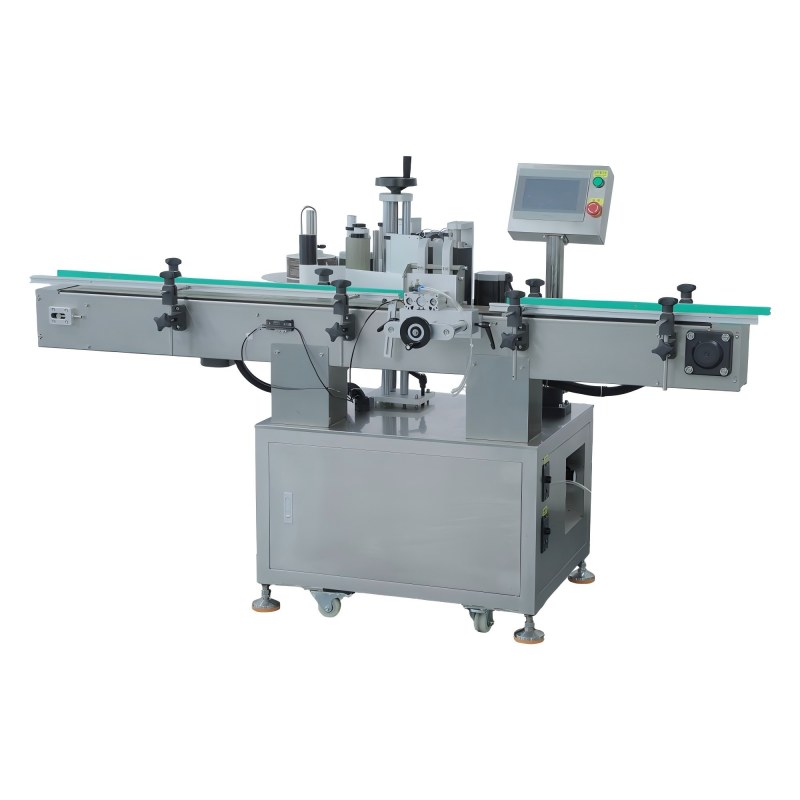
This is one reason manufacturers invest in an automatic round bottle labeling machine. Instead of relying on manual application, an automated system helps standardize the labeling process, improve production efficiency, and maintain a more consistent appearance across batches.
However, choosing the right equipment involves more than comparing machine speed or price. Bottle dimensions, label materials, positioning requirements, product variety, and existing production equipment all influence whether a labeling solution will meet a brand’s needs.
For manufacturers producing branded consumer goods, Mystech Woods offers labeling equipment designed to support precise label application, flexible packaging requirements, and integration into automated production lines.

Start with the Bottle and Label Requirements
Before comparing labeling machines, manufacturers should understand the packaging formats they need to process. Even products within the same category can have different bottle diameters, surface finishes, label dimensions, and placement requirements.
A round bottle labeling machine is designed for cylindrical packaging, but the actual compatibility of a machine depends on its configuration and the products being labeled.
For example, a personal care brand may use several bottle sizes across its shampoo, lotion, and body wash ranges. A beverage manufacturer may need to maintain consistent label placement across multiple product variants. In both cases, the labeling equipment must suit the packaging specifications rather than simply accommodate a general bottle shape.
Before requesting a quotation, prepare the following information:
- Bottle dimensions: Include the diameter, height, and relevant differences between product models.
- Label specifications: Identify label dimensions, material, adhesive type, and roll requirements.
- Label placement: Explain where the label should sit on the bottle and whether its orientation matters.
- Product range: Identify the bottle formats that the machine needs to handle.
- Production expectations: Define the required output and the conditions under which the machine will operate.
Providing these details helps equipment suppliers assess compatibility more accurately and reduces the risk of selecting a machine that requires unexpected adjustments after installation.

Why Label Positioning Matters for Branded Consumer Products
A label that sits too high, too low, or at an inconsistent angle can affect the overall presentation of a product. These differences may become especially noticeable when bottles are displayed together on retail shelves or packed in the same shipment.
For brands with standardized packaging guidelines, label placement is part of product presentation rather than a minor finishing detail.
An automatic round bottle labeling machine with positioning technology can help manufacturers achieve more controlled label application. However, the actual result depends on the machine configuration, bottle design, label characteristics, and correct equipment setup.
Manufacturers should consider three practical requirements.
Consistent placement across production batches
Labels should appear in the intended position across repeated production runs. Consistency makes it easier to maintain a recognizable packaging style as order volumes increase.
Compatibility with the bottle design
Bottle shape, surface condition, and available labeling area can influence label application. The equipment should be evaluated using the actual containers rather than relying only on general product descriptions.
Reliable application at the required production rate
Higher output is valuable only when labeling quality remains acceptable. Buyers should request verified performance information for their specific bottle and label combination before making a final decision. For branded consumer goods, the objective is to balance production efficiency with the visual standards customers expect from the finished product.

Match the Labeling Machine to Your Product Range
Consumer product manufacturers often manage multiple SKUs, packaging sizes, and label designs. The equipment selected for the production line should reflect these requirements.
A machine that works well for one bottle format may need adjustment before processing another. Buyers should therefore evaluate both the primary production format and the expected range of future products.
Cosmetics and Personal Care
Cosmetics and personal care brands frequently use packaging with distinct visual identities. Bottles for lotions, cleansers, shampoos, and similar products may differ in dimensions, surface finishes, and label placement requirements.
A suitable automatic bottle labeling machine should accommodate the intended packaging format and apply labels consistently under the planned production conditions.
For brands expanding their product range, it is also worth confirming how changeovers are performed and which adjustments operators need to make when switching between bottle sizes.
Food and Beverage
Food and beverage manufacturers often work with recurring production batches and multiple product variants. Labeling equipment must suit the container design, label material, and intended output of the production line.
Before selecting a round bottle labeling machine, buyers should confirm that the machine can handle their actual containers and labels. They should also consider how labeling fits into the wider filling, packaging, and inspection workflow.
Pharmaceuticals and Chemicals
Pharmaceutical and chemical products may have specific labeling, identification, and packaging requirements. The machine configuration must suit the product, container, and applicable production procedures.
For these applications, manufacturers should verify the equipment’s capabilities against their actual labeling specifications rather than assume that a general-purpose machine automatically meets every industry requirement.
Consider More Than Machine Speed
Production speed is an important purchasing factor, but it should not be the only one.
A labeling machine needs to operate reliably under real production conditions. A system with a high advertised speed may not be the best fit if the bottle format, label material, or line configuration limits its practical output.
When evaluating an automatic labeling machine, manufacturers should consider the relationship between operating speed, labeling consistency, changeover requirements, and integration with other equipment.
Adjustable Speed and Production Coordination
Different products and packaging materials may require different operating settings. Adjustable speed settings can help manufacturers configure the machine for their production requirements.
The goal is to establish a suitable operating rate while maintaining acceptable label placement and application quality.
Control Systems and Operator Usability
Intelligent control systems can help operators manage machine settings and coordinate labeling operations. A user-friendly interface also matters when production teams need to change product formats or carry out routine adjustments.
During equipment evaluation, buyers should ask which settings operators can adjust, how product changeovers are handled, and what training is required.
Integration into Existing Production Lines
Labeling rarely operates in isolation. Bottles may arrive from filling or capping equipment and then move to inspection, packing, or case preparation.
A labeling machine should fit the layout and operating requirements of the wider production line. Manufacturers should confirm conveyor arrangements, transfer points, available installation space, and the interfaces required for integration.
For facilities planning an automation upgrade, these details can be just as important as the machine’s labeling capabilities.
Label Material and Packaging Compatibility
The label itself affects application quality. Paper labels, film labels, and other pressure-sensitive materials can behave differently during dispensing and application.
Adhesive properties, label stiffness, roll consistency, and the condition of the bottle surface can all influence the final result. A labeling machine must be compatible with the intended label materials and application method.
Before purchasing equipment, manufacturers should provide representative label samples and containers for evaluation. Testing with actual production materials can help reveal potential issues that may not be obvious from a specification sheet.
It is also important to distinguish between round bottle labeling and labeling for other packaging formats. Mystech Woods provides labeling solutions intended for bottles, containers, cartons, pouches, and other packaging products. However, buyers should confirm the appropriate machine configuration for each format rather than assume one setup will handle every package type.
What Should Buyers Ask Before Requesting a Quotation?
A clear specification makes it easier to compare equipment offers and determine whether a proposed machine meets the production requirements.
Before requesting a quotation for a round bottle labeling machine, prepare answers to these questions:
- Which bottle sizes and shapes will the machine process?
- What are the label dimensions, materials, and adhesive specifications?
- Does the label need to align with a logo, printed feature, or designated position on the bottle?
- What output is required under normal operating conditions?
- How often will the production line switch between products?
- Which upstream and downstream machines must connect to the labeling system?
- What installation, training, maintenance, and after-sales support will be required?
It is also useful to ask the supplier to evaluate representative bottles and labels. A practical assessment gives both parties a clearer understanding of compatibility, operating conditions, and expected results.
This approach is more reliable than selecting equipment based on price or headline speed alone.
Mystech Woods: Labeling Solutions for Automated Production
Mystech Woods provides professional labeling solutions designed for precise label application across a range of industries. Its labeling equipment features positioning technology, intelligent control systems, and adjustable speed settings to support different packaging requirements and production environments.
The equipment is intended for applications across pharmaceuticals, food and beverage, cosmetics, chemicals, daily necessities, and general manufacturing. Its broader labeling capabilities cover bottles, containers, cartons, pouches, and other packaging products, subject to the appropriate machine configuration.
For manufacturers choosing a round bottle labeling machine, the key is to match the equipment to the actual container, label, and production requirements. Bottle dimensions, positioning needs, material compatibility, and line integration should all be considered before the final configuration is confirmed.
With durable construction and user-friendly operation, Mystech Woods labeling equipment is designed to support efficient production and consistent labeling quality. Buyers can work with the supplier to discuss their packaging specifications and determine the most appropriate solution for their application.
Choose Equipment That Supports Your Brand’s Packaging Standards
For branded consumer products, labeling quality affects both the appearance of the finished package and the efficiency of the production process. The right equipment should accommodate the intended bottle formats, support consistent label placement, and fit the operating requirements of the production line.
Before choosing an automatic round bottle labeling machine, manufacturers should evaluate their packaging specifications, label materials, expected output, and future product plans. Testing with actual containers and labels can help confirm whether the proposed system is suitable.
Looking for a labeling solution for your product range? Contact Mystech Woods to discuss your bottle dimensions, label specifications, positioning requirements, and production goals. A clear understanding of these details is the first step toward selecting equipment that supports your packaging operations and brand presentation.