



For packaging manufacturers, choosing a round bottle labeling machine is not simply about finding a machine that can apply labels to cylindrical bottles. The equipment also needs to match the production line, maintain consistent label placement, handle different bottle sizes, and operate reliably over long production runs.
This matters across industries such as pharmaceuticals, cosmetics, food and beverages, chemicals, and daily necessities. When production volume increases, small problems in feeding, positioning, or labeling can quickly turn into material waste and production delays. That is why manufacturers should look at the complete labeling process before making a decision.
Labeling Accuracy Comes First
For round bottles, consistent label placement is one of the most important requirements. Because the container has a curved surface, even a small positioning difference can be noticeable on the finished product.
A good automatic bottle labeling machine should keep the bottle stable during feeding and labeling. The positioning system, rolling mechanism, and label application process all need to work together. Stable operation is usually more valuable than simply pursuing the highest possible labeling speed.
Manufacturers should also test the machine with their actual bottles and labels. Different bottle diameters, surfaces, and label materials can affect the final result, so real production samples provide a better reference than standard specifications.
Bottle Feeding and Positioning Affect Production
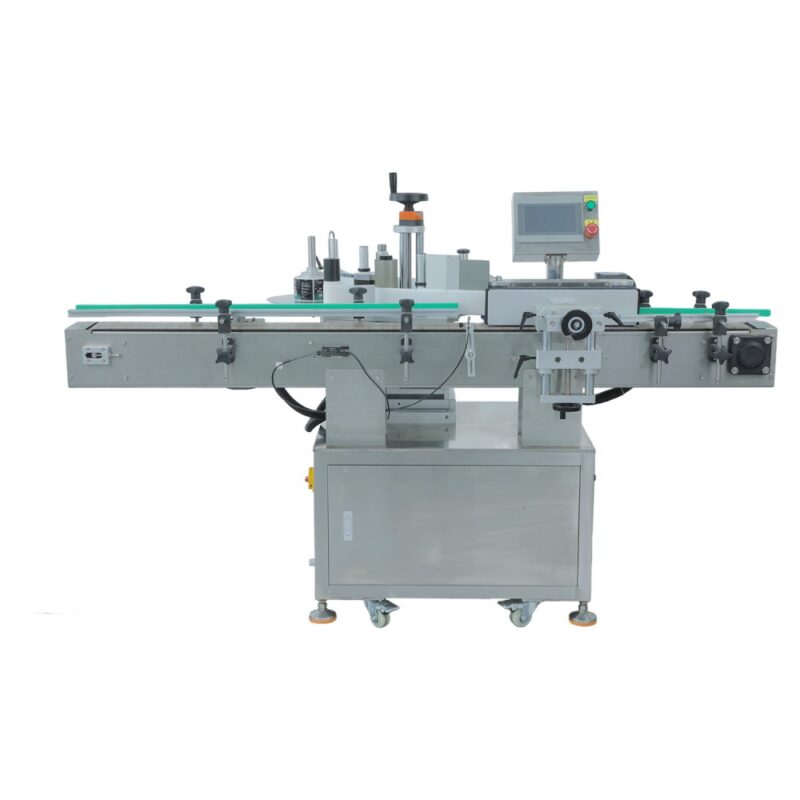
Automation only works well when bottles enter the labeling area in a controlled way. If bottles are unevenly spaced or positioned, labeling accuracy can suffer even when the labeling mechanism itself performs well.
An automatic feeding system helps create a smoother production flow and reduces the need for manual bottle placement. At the same time, an intelligent positioning mechanism can help keep each bottle in the correct position during labeling. For manufacturers running several bottle sizes, adjustment is another practical consideration. The machine should allow operators to make necessary changes without turning every product changeover into a long setup process.
Consider Speed and Label Waste Together
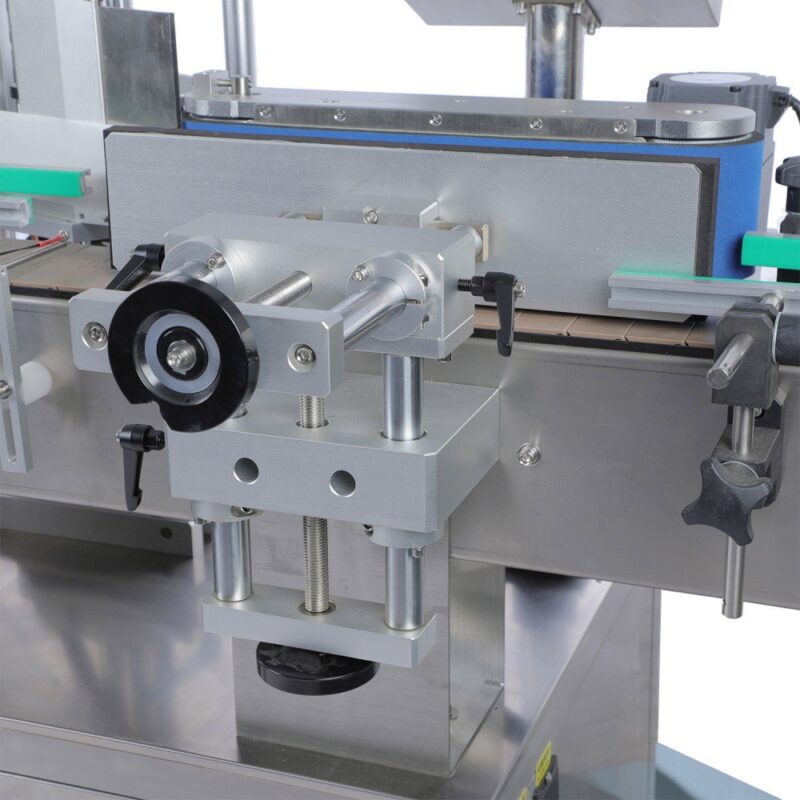
Production speed is important, but maximum speed should not be the only number buyers compare. A machine may have a high rated speed, but frequent stops, positioning errors, or label adjustments can reduce its actual output. For this reason, manufacturers should consider how consistently the machine can maintain its working speed during normal production.
Label waste also deserves attention. Incorrect positioning and repeated adjustments can increase the number of rejected labels, especially during long production runs. Accurate application and stable feeding can help reduce unnecessary material consumption. In a high-volume packaging operation, these small differences can have a direct effect on production costs.
The Control System Should Be Easy to Use
A labeling machine still depends on operators for setup, adjustment, and daily monitoring. A complicated control system can increase training time and make routine production changes more difficult. A touchscreen interface gives operators a straightforward way to manage machine settings and monitor the labeling process. For manufacturers, the goal is not to add more controls, but to make the controls that matter easier to access. This becomes particularly useful when a production line handles multiple products or bottle specifications.
Machine Construction and Long-Term Reliability
Industrial labeling equipment needs to withstand repeated operation. The machine structure should also suit the working environment and routine cleaning requirements.
Stainless steel and aluminum alloy are commonly used in industrial equipment because they provide a practical combination of durability and corrosion resistance. Manufacturers should also consider maintenance access and the overall mechanical design when evaluating long-term equipment value. The right machine should support stable daily production rather than only perform well during a demonstration.

Why Application Requirements Matter
There is no single labeling machine configuration that suits every packaging operation. الصيدلانية, cosmetic, food, chemical, and daily-use products can have different bottle sizes, label materials, production volumes, and packaging requirements.
Before purchasing a fully automatic round bottle labeling machine, manufacturers should clarify several points: What bottle sizes will be handled? What type of labels will be used? What production volume is required? How often will products change? Does the machine need to connect with other packaging equipment? Answering these questions first makes it easier to identify the right equipment configuration.
Mystech Woods Round Bottle Labeling Machine
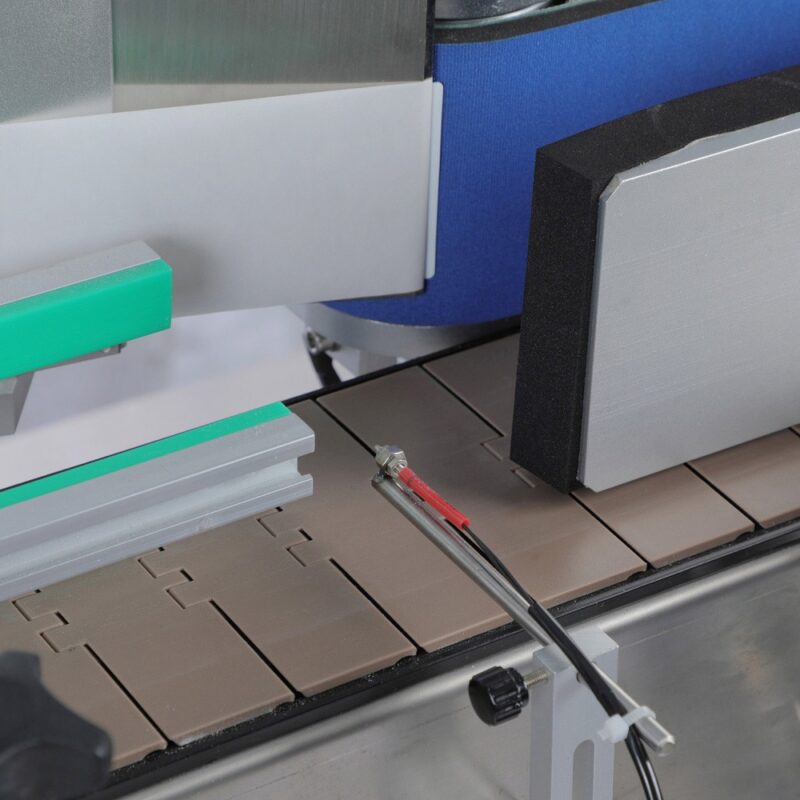
Mystech Woods offers a Vertical Fully Automatic Round Bottle Roll-Labeling Machine designed for cylindrical bottles and round containers.
The machine uses rolling labeling technology to support accurate label placement and stable high-speed operation. Its automatic feeding system helps maintain a smooth production flow, while the intelligent positioning mechanism keeps bottles correctly aligned during labeling.
A touchscreen control system makes daily operation and adjustment more straightforward. The machine also uses stainless steel and aluminum alloy construction for durability and corrosion resistance.
The equipment supports various bottle sizes and label materials, making it suitable for pharmaceutical, cosmetic, food and beverage, chemical, and daily necessities applications. For manufacturers handling different products, this flexibility can be important when expanding production or introducing new packaging formats.
Making the Right Choice
Choosing a round bottle labeling machine should start with the production requirements rather than the machine’s headline specifications.
Labeling accuracy, bottle positioning, feeding stability, actual production speed, label waste, operator usability, and machine construction all affect the performance of an automated labeling line.
For B2B buyers, the best way to evaluate a machine is to consider how it will perform with the bottles, labels, and production conditions used in the factory. A machine that fits those requirements can improve packaging consistency while reducing unnecessary manual work and material waste.
For manufacturers looking for an automated solution for cylindrical bottle packaging, the Mystech Woods Vertical Fully Automatic Round Bottle Roll-Labeling Machine provides a practical combination of automatic feeding, intelligent positioning, rolling labeling technology, and user-friendly operation.